






New CPR Guidelines Released for 2024
The American Heart Association (AHA) has released comprehensive updates to CPR guidelines for 2024, marking a significant advancement in emergency cardiac care protocols. These new guidelines reflect the latest research and evidence-based practices in resuscitation science.
Key Changes in 2024 Guidelines
The updated guidelines place increased emphasis on high-quality chest compressions, with specific recommendations for compression depth, rate, and technique. The AHA now recommends a compression depth of at least 2 inches (5 cm) for adults, maintaining a rate of 100-120 compressions per minute.
Additionally, the guidelines emphasize the importance of allowing full chest recoil between compressions. This ensures that the heart can refill with blood, maximizing the effectiveness of each compression cycle. Rescuers are advised to minimize interruptions in chest compressions, as even brief pauses can significantly reduce the chances of successful resuscitation.
Early Defibrillation Priority
One of the most significant updates is the reinforced emphasis on early defibrillation. The guidelines now recommend that AEDs (Automated External Defibrillators) should be used as soon as they become available, without delay for additional chest compressions.
The 2024 guidelines clarify that for every minute defibrillation is delayed, the chance of survival decreases by approximately 7-10%. This makes rapid AED deployment critical in cardiac arrest scenarios. Public access defibrillation programs are now more strongly encouraged, with recommendations for AED placement in high-traffic areas.
Training Implications
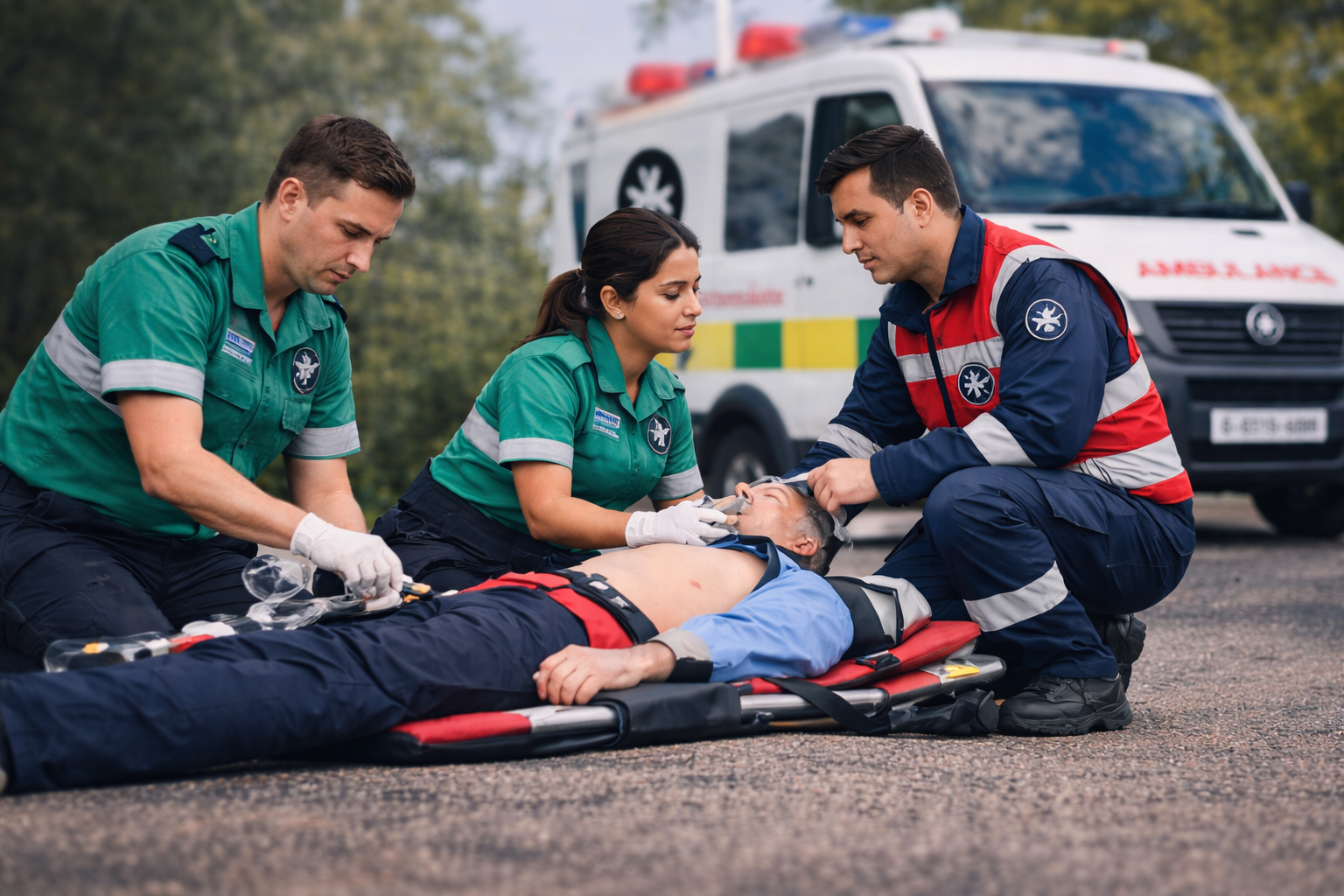
These updated guidelines have important implications for CPR training programs. All certified instructors and training centers must update their curriculum to reflect these new standards. St. John Ambulance is committed to ensuring all our instructors are trained on the latest guidelines and that our courses incorporate these critical updates.
Our training programs now include enhanced focus on compression quality metrics, with hands-on practice using feedback devices. We've also updated our AED training modules to emphasize speed and efficiency in device deployment. All certification courses now include scenario-based training that reflects real-world emergency situations.
Impact on Public Safety
The implementation of these updated guidelines is expected to improve survival rates from cardiac arrest. By emphasizing high-quality compressions and early defibrillation, bystanders and first responders will be better equipped to provide effective life-saving interventions.
Studies have shown that communities with higher rates of CPR training and AED availability see significantly improved cardiac arrest survival rates. The 2024 guidelines aim to make these life-saving skills more accessible and effective for everyone, regardless of their medical background.
Conclusion
The 2024 CPR guidelines represent a significant step forward in emergency cardiac care. As we continue to learn from research and real-world applications, these guidelines will help save more lives. We encourage everyone to stay updated with the latest CPR techniques and consider getting certified or recertified to ensure they're prepared to help in an emergency.
Popular Articles
- New CPR Guidelines Released for 2024
The American Heart Association has released updated CPR guidelines that emphasize the importance of high-quality chest compressions and early defibrillation.
20 Jan 2024
- Student Success Story: Life Saved with CPR Training
A recent graduate used their CPR training to save a life at a local restaurant, demonstrating the real-world impact of our programs.
10 Jan 2024
Latest Articles
- New CPR Guidelines Released for 2024
The American Heart Association has released updated CPR guidelines that emphasize the importance of high-quality chest compressions and early defibrillation.
20 Jan 2024
- Digital Certification Now Available
Students can now receive digital certificates immediately upon course completion, making it easier to share credentials with employers.
15 Jan 2024
- Partnership with Major Healthcare Network
We've partnered with a leading healthcare network to provide specialized training programs for their medical staff.
12 Jan 2024
- Student Success Story: Life Saved with CPR Training
A recent graduate used their CPR training to save a life at a local restaurant, demonstrating the real-world impact of our programs.
10 Jan 2024